What is Thyroid Nodule Ablation?
Thyroid nodule ablation is the procedure of destroying benign (non-cancerous) nodules in the thyroid gland by entering through the skin with a thin needle using high-temperature energy. It is a modern and minimally invasive treatment performed under local anesthesia without any surgical incision.
Radiofrequency Ablation (RFA)
It is the targeted destruction of the nodule using heat energy generated by radio waves. It is one of the most commonly used methods.
Microwave Ablation (MWA)
It is another modern ablation method that is particularly effective for large nodules, thanks to a wider heat field generated by microwaves.
Advantages of Non-Surgical Treatment
No Surgery Risk
Eliminates the risks of general anesthesia and surgical complications.
No Scars on Skin
Since there is only a small needle entry, there is no scar on the neck.
Thyroid Function Preserved
Healthy thyroid tissue is not harmed as only the nodule is targeted.
Fast Recovery
Patients can return to normal life on the same day after the procedure; hospitalization is not required.
No Lifelong Medication
As the thyroid gland is preserved, there is usually no need for lifelong hormone medication.
High Success Rate
Provides up to 80-90% reduction in nodule size and symptom relief, even in a single session.
Is This Treatment Right for You?
Non-surgical thyroid ablation is a highly effective solution for patients who meet specific criteria. If you are experiencing one or more of the following, you may be a suitable candidate for this treatment:
Benign Nodule Diagnosis
If your nodule has been reported as benign after a fine-needle aspiration (FNA) biopsy.
Presence of Compressive Symptoms
If you feel difficulty swallowing, a sensation of blockage in your breath, hoarseness, or pressure in your neck due to the size of your nodule.
Cosmetic Concerns
If the visible swelling (nodule) on your neck bothers you aesthetically.
Hot Nodule and Hyperthyroidism
If it has been detected by scintigraphy that your nodule is overproducing thyroid hormone (toxic adenoma or "hot nodule").
Low-Risk Thyroid Cancers
Low-risk and small-sized (usually under 1.5 cm) papillary thyroid cancers that meet specific criteria, or recurrent (nuked) lymph nodes in the neck after surgery.
*This list is for general informational purposes. You must be examined to determine your suitability for the treatment clearly.
How Does the Treatment Process Work?
Evaluation and Planning
Your nodule's suitability for ablation is evaluated with ultrasound and biopsy results.
Ablation Procedure
Under local anesthesia, heat energy is delivered to the nodule with a thin needle under ultrasound guidance. The procedure takes about 15-30 minutes.
Post-Procedure Follow-up
You are discharged after a few hours of observation. The reduction in the nodule is monitored with periodic ultrasound check-ups.
Meet Your Doctor
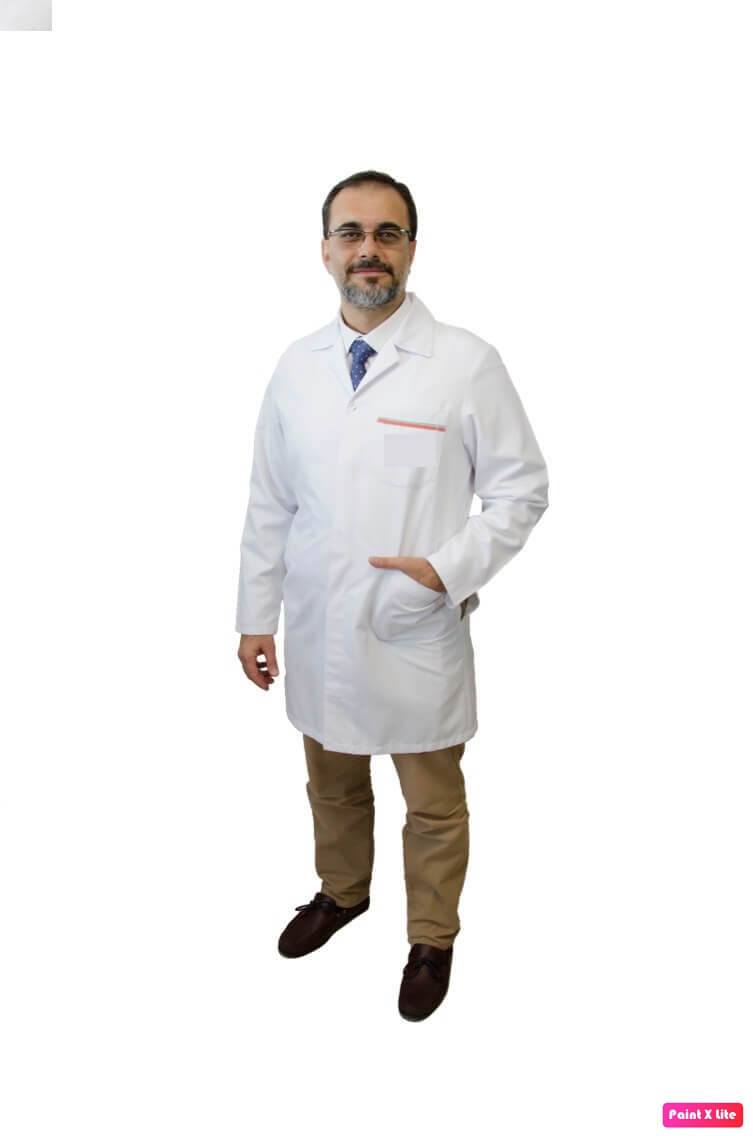
Prof. Dr. Aykut Recep Aktaş
Interventional Radiology Specialist
After graduating from Hacettepe University Faculty of Medicine and completing his specialization, Prof. Dr. Aykut Recep Aktaş has national and international publications in the field of Interventional Radiology. He has extensive experience in minimally invasive procedures, especially in the non-surgical treatment of thyroid nodules.
Consult Our Doctor
Treatments and Specializations
Some of the treatment services we offer with modern and minimally invasive methods in the field of interventional radiology...
Benign Thyroid Nodules
Non-surgical treatment of benign thyroid nodules causing complaints such as swelling in the neck or difficulty swallowing, using Radiofrequency (RFA) and Microwave (MWA) methods.
Thyroid Cancers (Papillary)
Minimally invasive ablation treatment for low-risk, small-sized (usually 1-1.5 cm) papillary thyroid cancers and recurrences that meet specific criteria.
Parathyroid Adenomas
Effective treatment of parathyroid adenomas causing high calcium levels with non-surgical interventional methods such as ablation or embolization.
Watch for detailed information about the treatment process!
You can take a closer look at how the thyroid nodule ablation procedure is performed!

Blog: Latest Articles
Our latest articles on thyroid health, nodule treatments, and current developments.
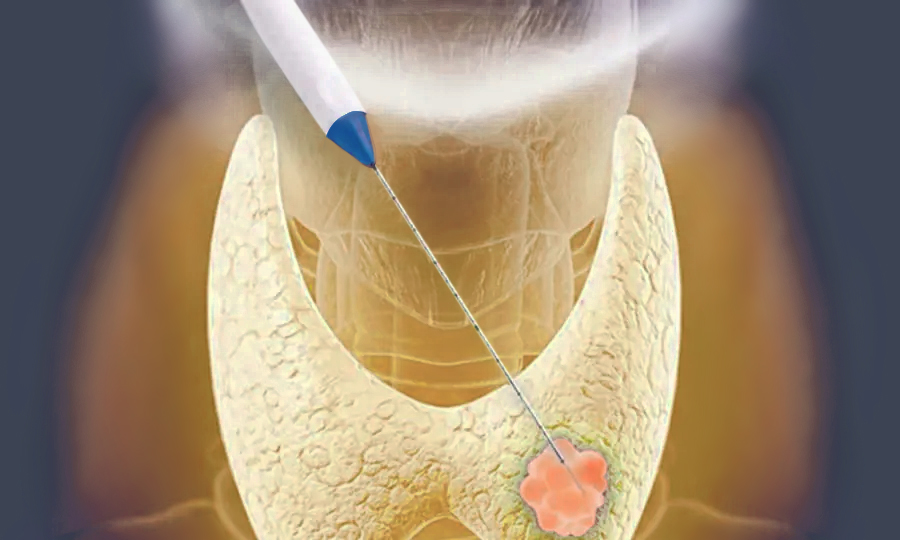
Types of Thyroid Ablation: RFA and MWA
What are the differences between Radiofrequency (RFA) and Microwave (MWA) ablation methods used in non-surgical nodule treatment? Learn their advantages and when they are preferred.
Read More →How is the Ablation Procedure Performed Step-by-Step?
What stages does the thyroid ablation procedure, performed under local anesthesia with ultrasound guidance, consist of? Discover the entire process from preparation to the procedure in simple steps.
Read More →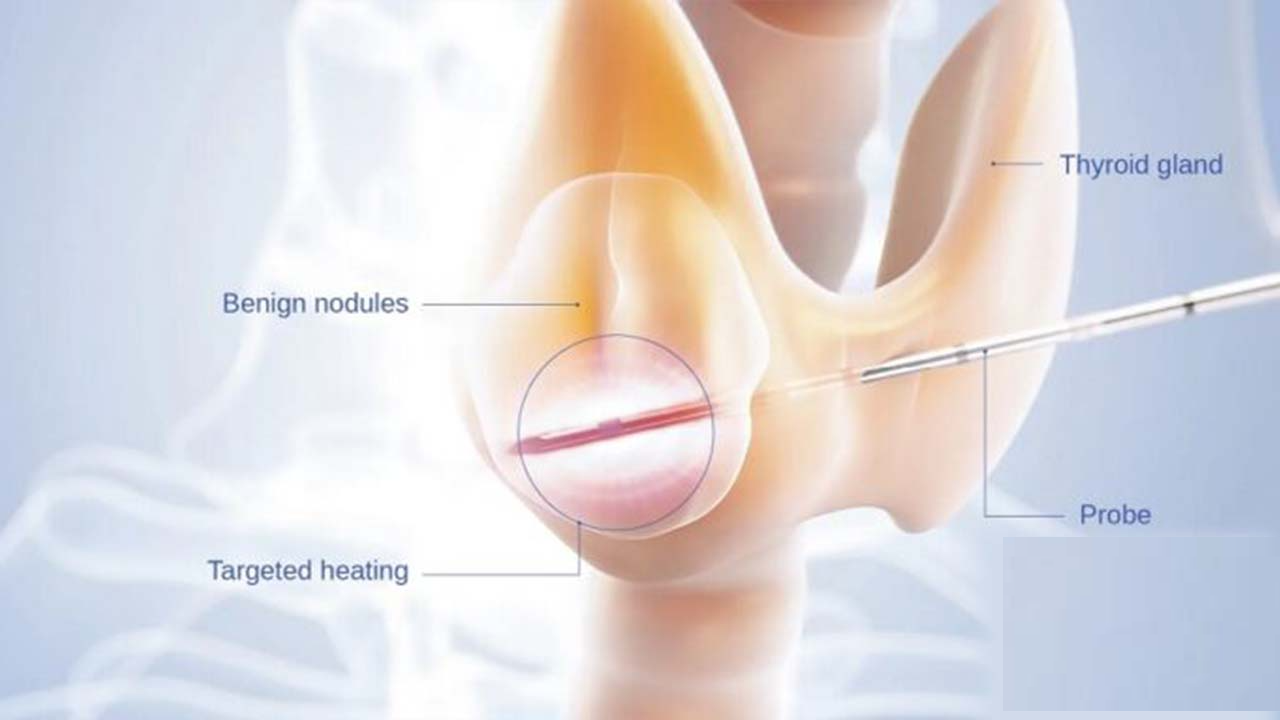
What Will I Feel During the Procedure? Is It Painful?
The most common question from patients: Is thyroid ablation painful? We honestly explained what you will feel during and after the procedure, and how comfortable the process is.
Read More →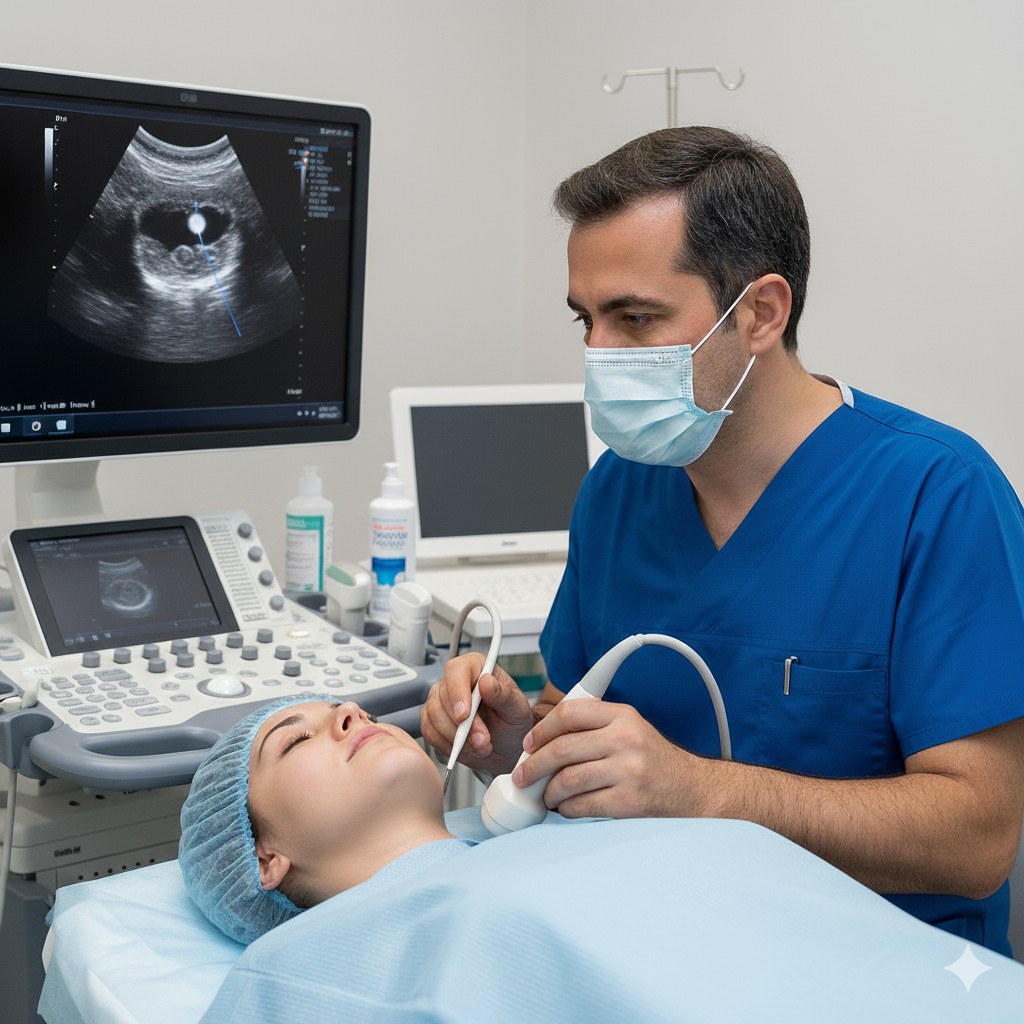
Ablation Process: Your Roadmap from Start to Finish
What awaits you from the moment you decide on treatment? First examination, procedure day, returning home, and follow-up check-ups... A detailed summary of your entire treatment journey.
Read More →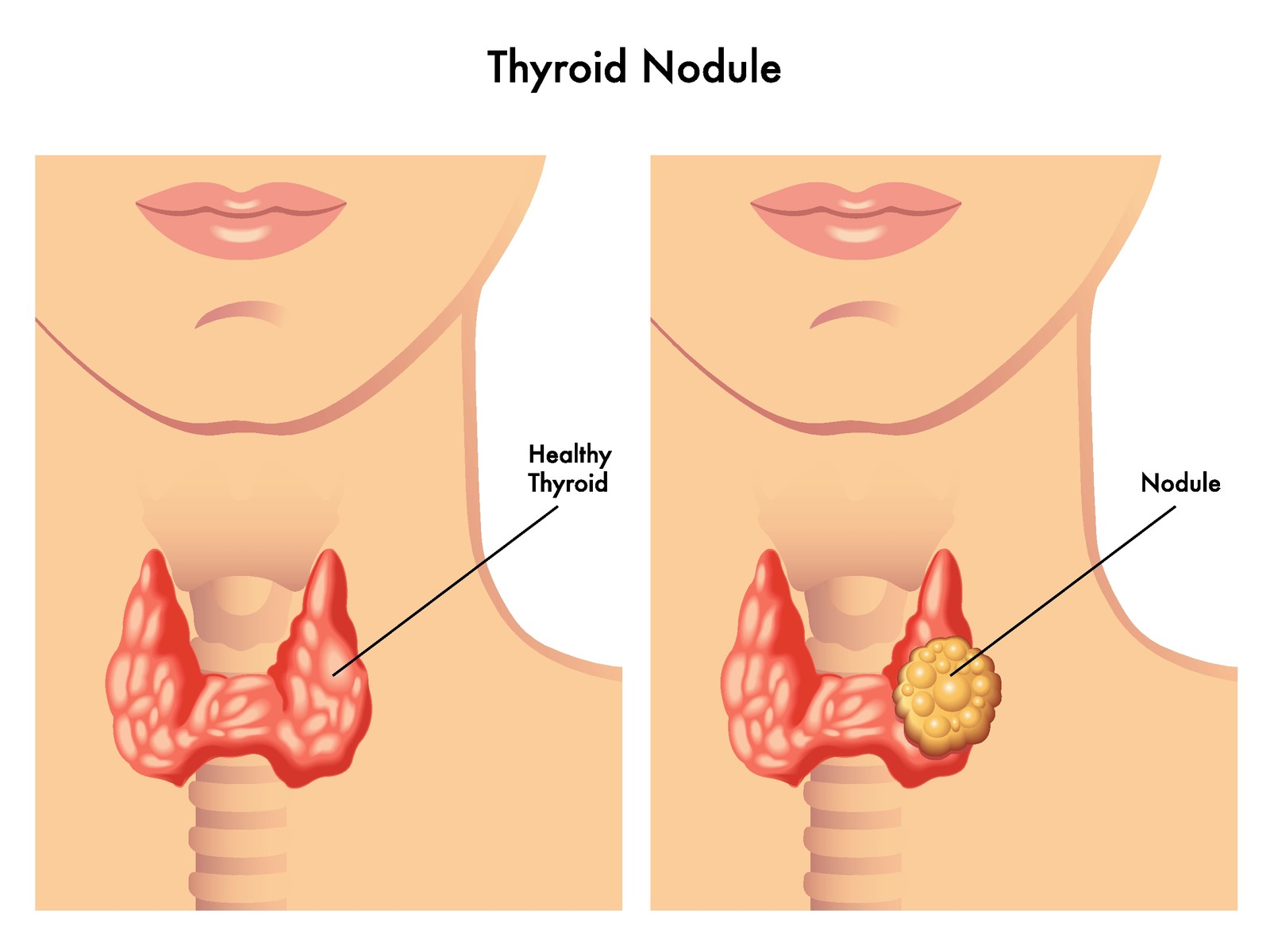
Thermal ablation methods such as radiofrequency ablation (RFA) or microwave ablation (MWA)
Thyroid nodule ablation is a minimally invasive treatment method that has emerged as an alternative to surgery in recent years. However, this treatment is not suitable for every thyroid nodule. The patient and the nodule must meet specific criteria.
Read More →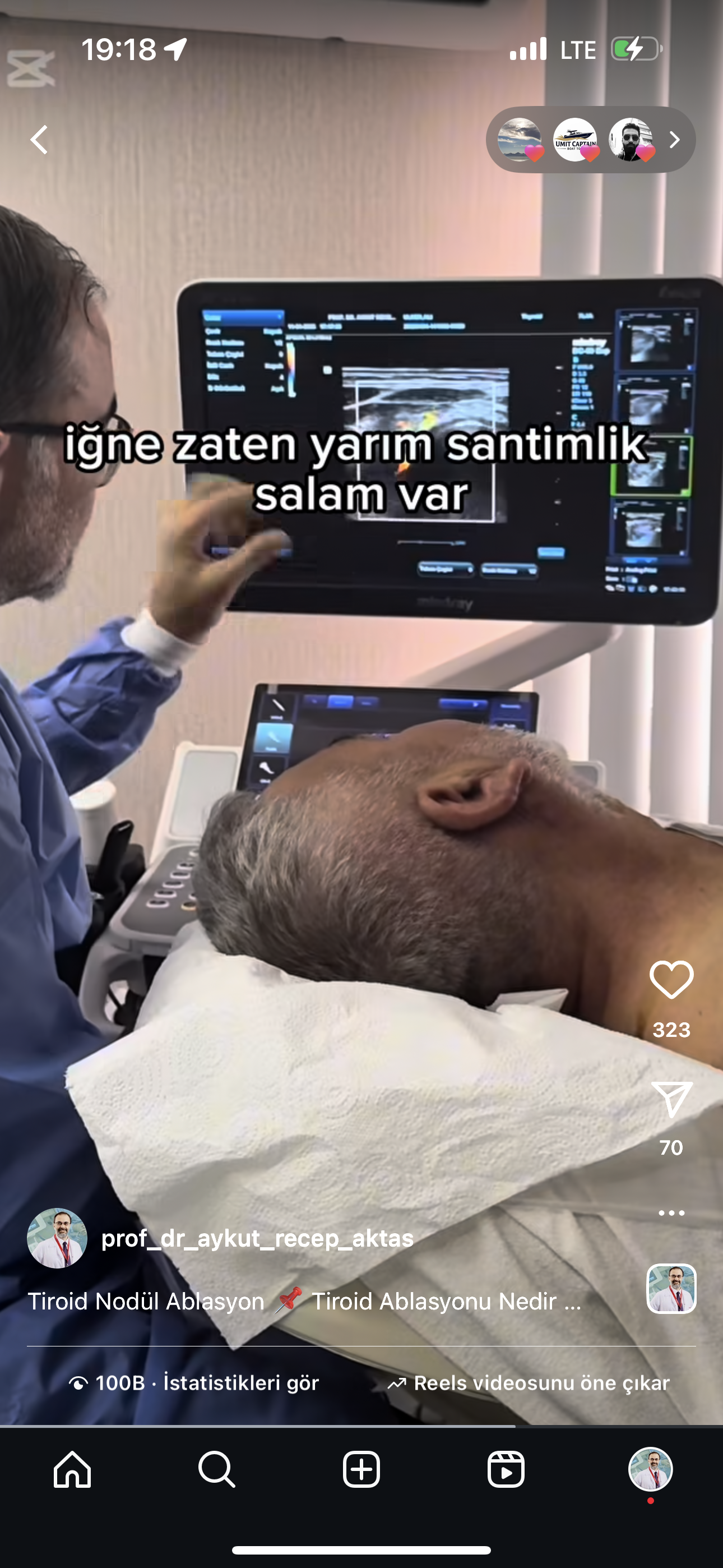
Who is Ablation Treatment Suitable For?
An End to Surgery Fear: What is the Thyroid Ablation Method? Since the procedure is performed entirely under ultrasound guidance, the surrounding healthy thyroid tissue and important anatomical structures (vocal cords, vessels, etc.) are protected.
Read More →
What Will I Feel During the Procedure? Is It Painful?
Thyroid ablation, in its simplest definition, is the process of "melting from the inside" the benign nodules within the thyroid gland using heat energy, by inserting a thin needle through the skin. No incision is made, no stitches are used, and no scar is left behind. Generally, two main types of energy are used:
Read More →
An End to Surgery Fear: What is the Thyroid Ablation Method?
If you have concerns about your thyroid nodules and are looking for a non-surgical, modern solution, find out if thyroid ablation treatment is right for you.
Read More →
Get Rid of Your Thyroid Nodules Without a Scar: Percutaneous Ablation
Thyroid nodule ablation is a minimally invasive treatment method that has emerged as an alternative to surgery in recent years. However, this treatment is not suitable for every thyroid nodule. The patient and the nodule must meet specific criteria.
Read More →Frequently Asked Questions (F.A.Q.)
Thyroid and Parathyroid Ablation Treatments
No. Significant pain is not felt during the procedure as local anesthesia is applied to the skin and around the nodule. There might be mild discomfort after the procedure, which is controlled with simple painkillers.
Patients with nodules reported as benign in biopsy results, which cause pressure symptoms (difficulty swallowing, shortness of breath, hoarseness) or cosmetic complaints, are suitable candidates. Also, patients with normal thyroid functions who have a hot nodule can benefit from this treatment.
Thyroid ablation is an extremely safe procedure. The complication rate is very low. Rarely, hoarseness, a small hematoma (bleeding) in the procedure area, or infection may occur. Most of these side effects are temporary.
This situation may vary depending on your insurance policy's coverage and current SGK practices. You can get the most accurate information by calling our clinic or contacting your insurance provider.
Thyroid nodule ablation is the process of destroying thyroid nodules using heat (Radiofrequency Ablation, Microwave Ablation) or cold energy (Cryoablation) without the need for surgery. In our clinic, it is generally performed under local anesthesia by inserting a thin needle into the nodule under high-resolution ultrasound guidance, making it a minimally invasive method. Thyroid ablation applications in Antalya are carried out with modern methods, prioritizing patient comfort.
Non-surgical thyroid treatments do not require surgical incision, general anesthesia, or hospitalization. This exposes patients to fewer risks. They offer significant cosmetic and functional advantages such as less pain, fast recovery time after thyroid ablation (usually a few days), preservation of thyroid function (no need for thyroid hormone supplementation), and no visible scar on the neck. This allows our patients to return to their normal lives much faster, and their quality of life improves.
Generally, benign thyroid nodules (for both solid and thyroid cyst ablation), nodules causing pressure symptoms (difficulty swallowing, shortness of breath, coughing sensation) or cosmetic problems, and certain selected thyroid cancer cases (especially small papillary thyroid cancers) may be suitable for non-surgical ablation. Suitability is determined by Prof. Dr. Aykut Recep Aktaş after a detailed evaluation of the nodule's size, location, ultrasonographic features, elastography results, biopsy results, and the patient's general health status.
Parathyroid adenomas are benign tumors that cause primary hyperparathyroidism and are associated with high calcium levels. These adenomas can be treated with non-surgical methods such as embolization or Radiofrequency Ablation (RFA). Embolization is a treatment method for highly vascular parathyroid adenomas, where the feeding vessels are blocked to shrink the adenoma and stop excessive hormone production. RFA, on the other hand, destroys the adenoma with heat energy. These methods are an effective alternative, especially for patients at high surgical risk or those who have had previous unsuccessful surgeries. The success rate of parathyroid ablation is quite high and helps normalize calcium levels.
The recovery process after thyroid and parathyroid ablation procedures is quite short. Most patients can leave the clinic shortly after the procedure and fully return to their daily activities within a few days. Mild pain, tenderness, or swelling may be seen in the procedure area, but this is usually controlled with simple painkillers and disappears quickly. Regular follow-up appointments after thyroid ablation are important for the nodule's shrinking process and general recovery. Patients' compliance with doctor's recommendations and adherence to specified control periods are critical for the long-term success of the treatment.
Thyroid ablation is a very safe method when performed by an experienced interventional radiologist. It carries fewer risks compared to surgery. Potential side effects are generally mild and temporary. These may include pain in the procedure area, mild swelling or bruising, and rarely hoarseness (which may be temporary) or nerve irritation. In our clinic, we minimize these risks with advanced ultrasound guidance and our experienced team. Our patients are given detailed information about all possible situations before and after the procedure.
Non-surgical goiter treatment methods (like Microwave Ablation, RFA) aim to shrink the nodule through thermal ablation. This shrinkage is usually permanent, and the risk of the nodule re-growing is low. The first results begin to be seen in the weeks after the procedure, but it may take several months for the nodule to reach its full shrinkage potential and for symptoms to completely subside. This process is closely monitored with regular follow-up checks, and the effectiveness of the treatment is evaluated. The long-term success rates of non-surgical goiter reduction are very high.
What Our Patients Said About Us
Information and Appointment
You can contact us using the information below to get more information about thyroid nodule ablation or to create an appointment.
Phone: +90 (552) 310 57 11
WhatsApp appointment: +905523105711
Address:
Zümrütova mah. Sinanoğlu Cad 29/1 Muratpaşa Antalya